With that in mind, this thread will be centered around the CA18 build I've been planning. Working with a student budget sucks, so there won't be a whole lot to update as far as purchases are concerned, but I've still got plenty of prep work that I can do right now that has little or no cost.
Goals
Power: 450-550whp, ultimately depends on which turbocharger I choose to go with.
Displacement: Considering a CA18DET/CA20E Frankenstein 2.0L, but may settle for a 1.9L.
Purpose: Street terrorist. Some drift time, more drag time. Basically shooting for a fun, all-around car.
Quick review:
I'll be using the FOERST CA that I had in the car. It initially suffered a blown headgasket, and I took the opportunity to freshen the engine up with all new gaskets, rings, and bearings. Shortly after the break-in, a valve guide cracked and dropped into my #3 cylinder, and killed the engine. With a different engine in the car, I can now take my time on this build and ensure that it's done properly without cutting corners.
Given my current budget (or lack of) I'm restricted to cleaning and addressing aesthetic issues with what I have on hand. I swore that I'd never polish anything again after doing my wheels, but every time I look at them, I can't help but want the same appearance on other parts of the car. So I've decided that everything aluminum that is attached to the engine will be polished. Alternator, CAS, valve covers, etc. I've also got some pretty decent parts that have been stashed away for years, just waiting to be used.
Anyways, here's some pics of today's progress.
Got a gallon of paint stripper, same stuff I used in the USAF. This stuff works pretty fast on automotive paint (and skin) so be careful. The good thing about chemically stripping (as opposed to media blasting) is that it's not as harsh on the metal in terms of removing material. It's a lot more tedious, but if done properly, can still provide a uniform finish. O'Reilly's carries it.
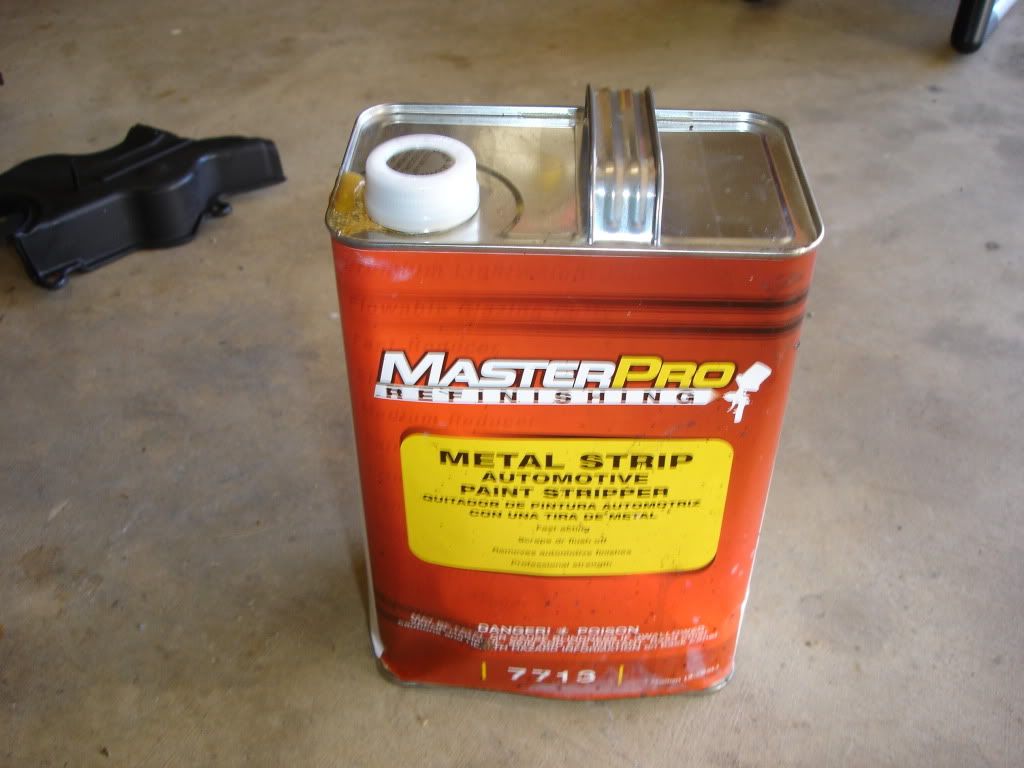
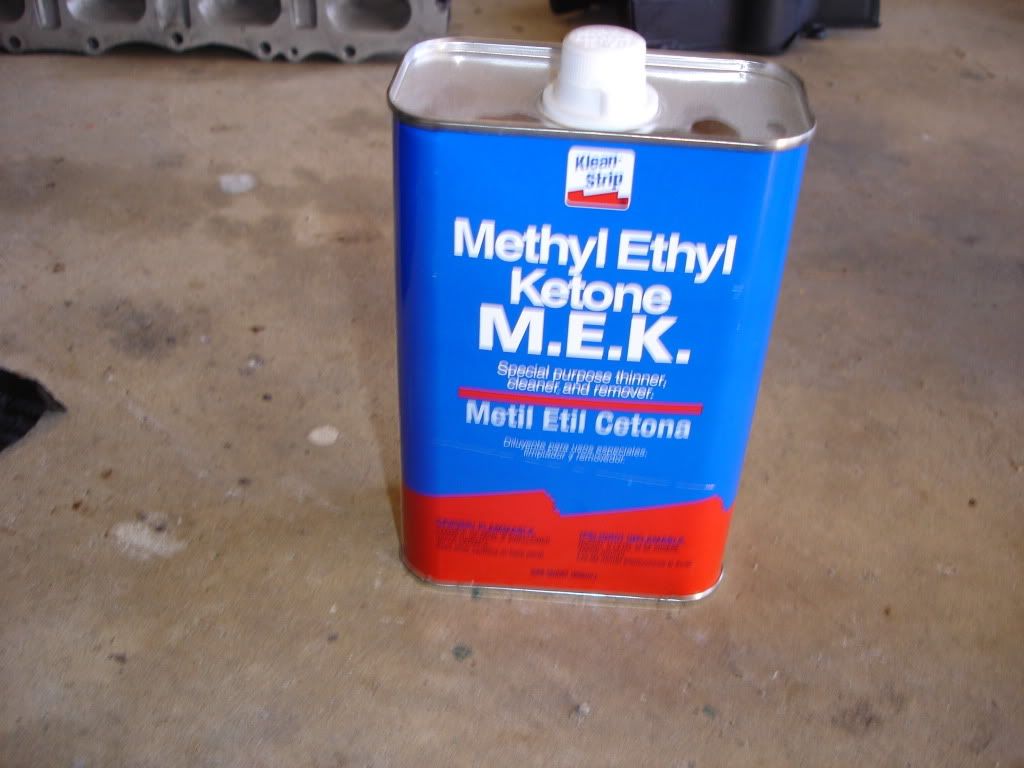
Since this stuff is EXTREMELY corrosive, I wear safety glasses, a tight-fitting long sleeve shirt, and rubber gloves. I don't use latex gloves, and I'll explain why. The chemical I use for cleaning/neutralizing the paint stripper is Methyl Ethyl Ketone, or MEK. It's got a VERY strong scent, and this stuff can eat latex with minimal contact. But it is an EXCELLENT neutralizing agent when using paint stripper. I usually get it at Home Depot, in the painting supplies aisle.
I normally put down a large black garbage bag for my work surface. Easy disposal and clean up. Since the paint stripper dries up when it's a small amount, I normally just pour enough into a GoJo cup and apply it with a paint brush. When using this stuff, it's better to just get a thin layer on it. You don't want to lay it on like icing, since it will have a harder time soaking into the paint. Apply it to where you can see through it. This makes cleaning easier as well.
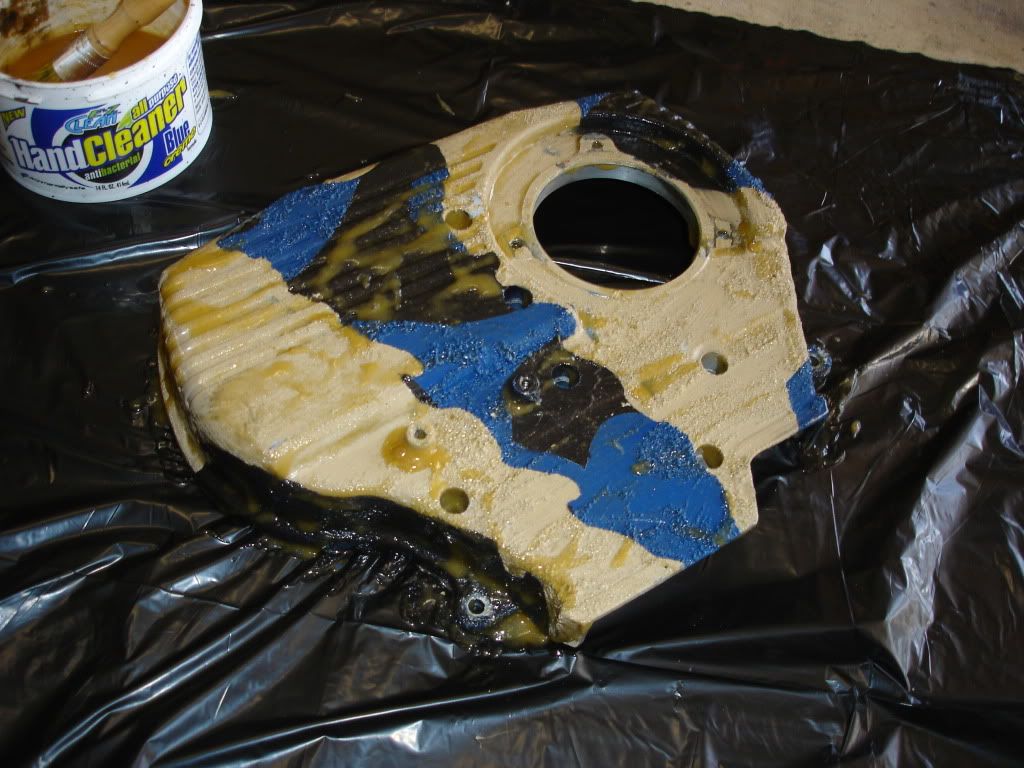
After it soaks in, the paint will start flaking up like so:
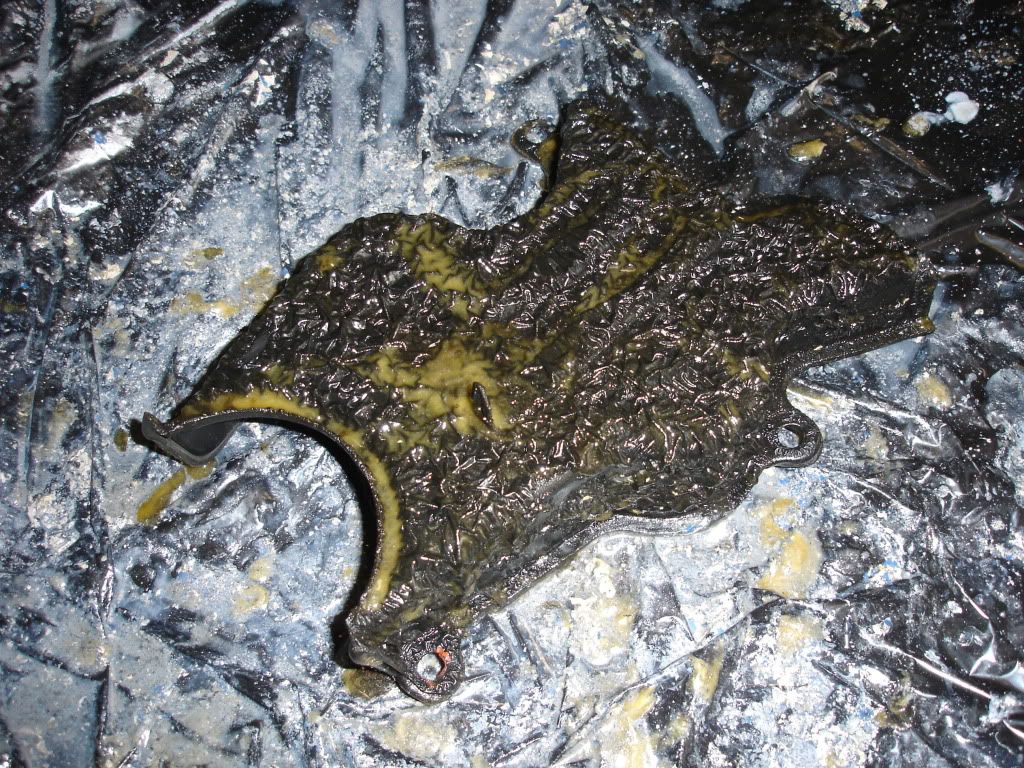
Use a flexible wire brush (purchased mine at O'Reilly's) to work off the lifted paint, and keep dipping the wire brush in a cup of MEK to help clean it up faster. MEK will evaporate when left out overnight, so again, only pour what you need.
After 2-3 applications of paint stripper (most of it came off after the FOERST round, some areas needed a little more persuasion), I ended up with this:
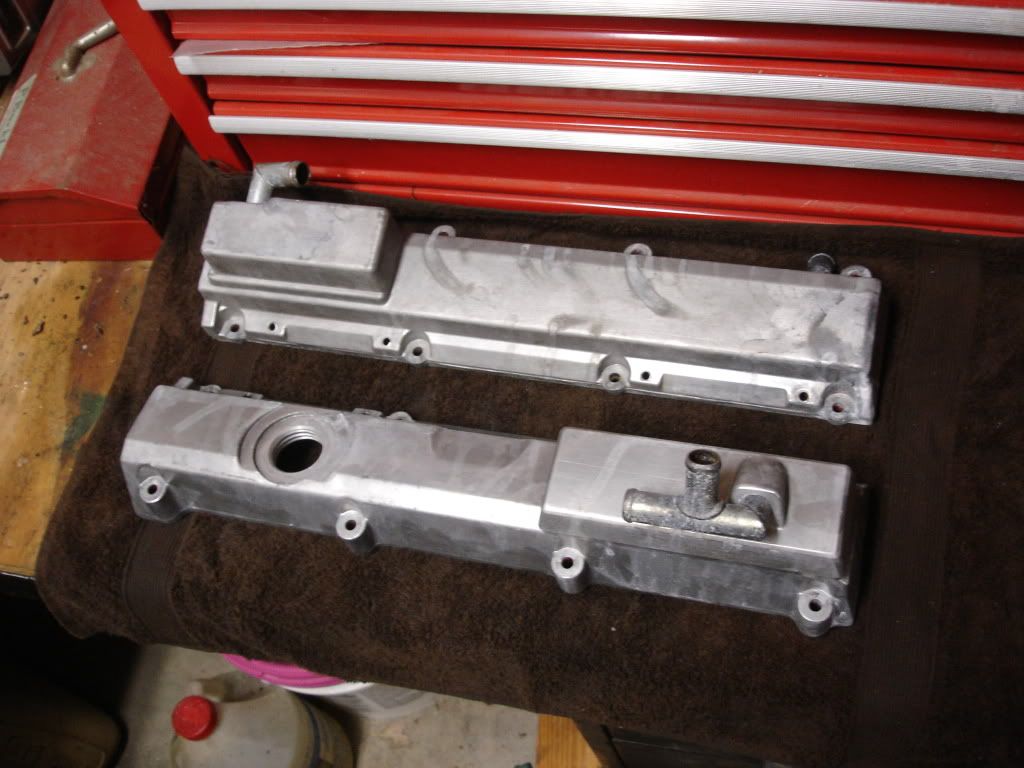
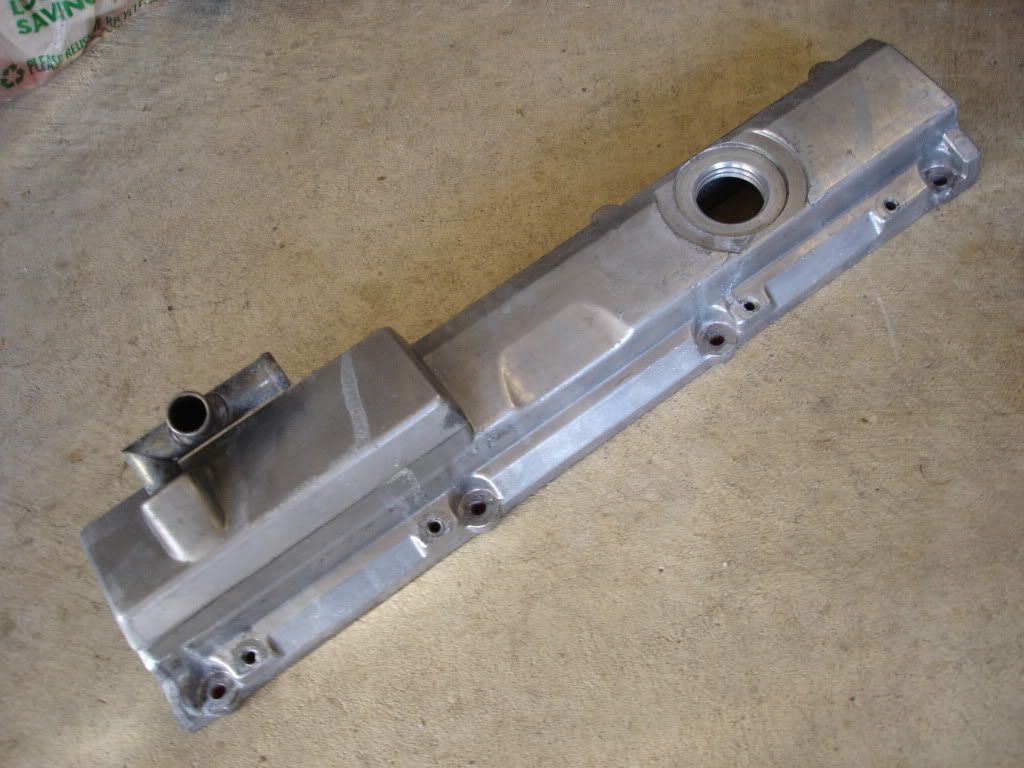
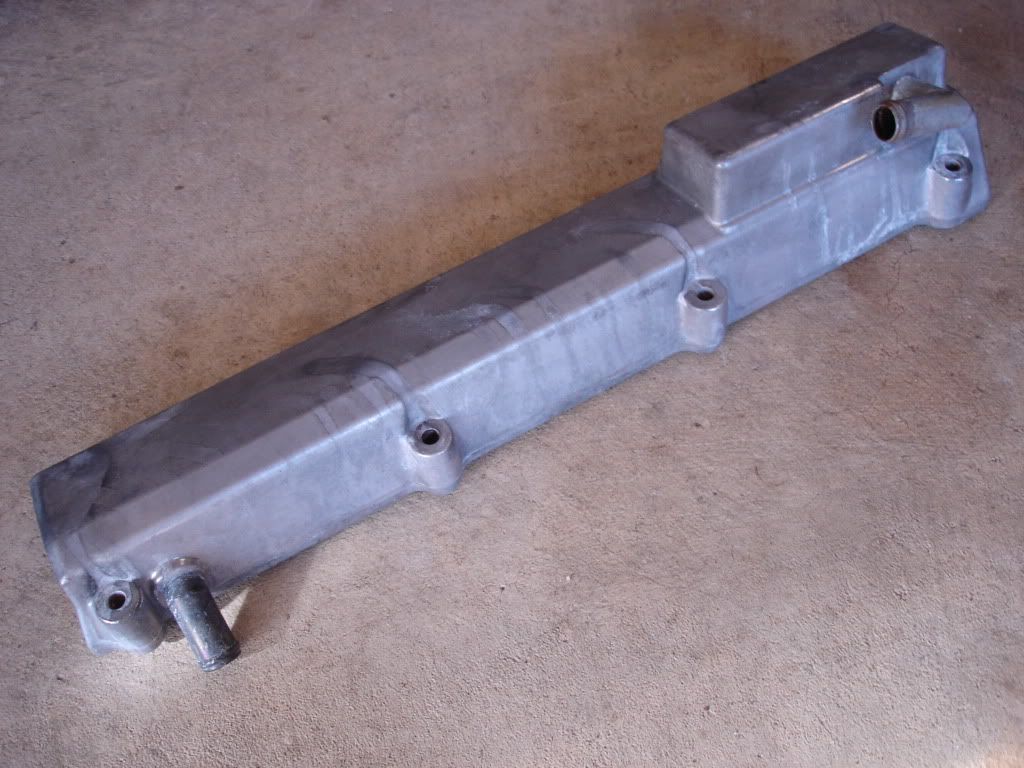
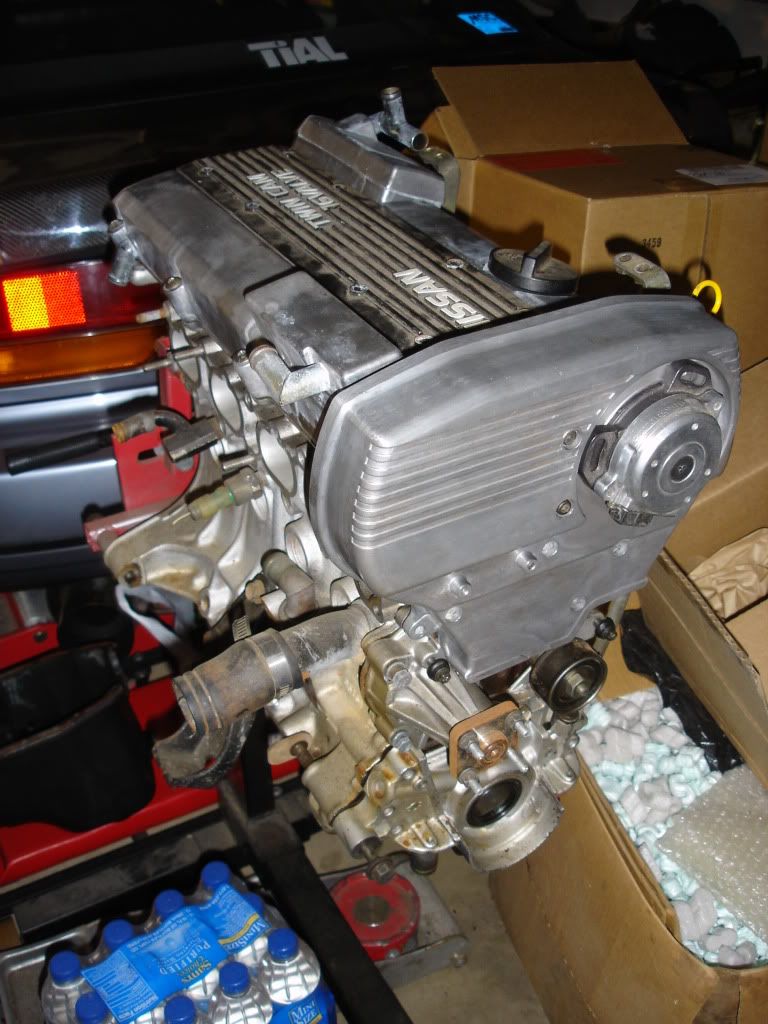
I've still gotta strip the intake manifold, and then I can start working on getting everything else polished up.
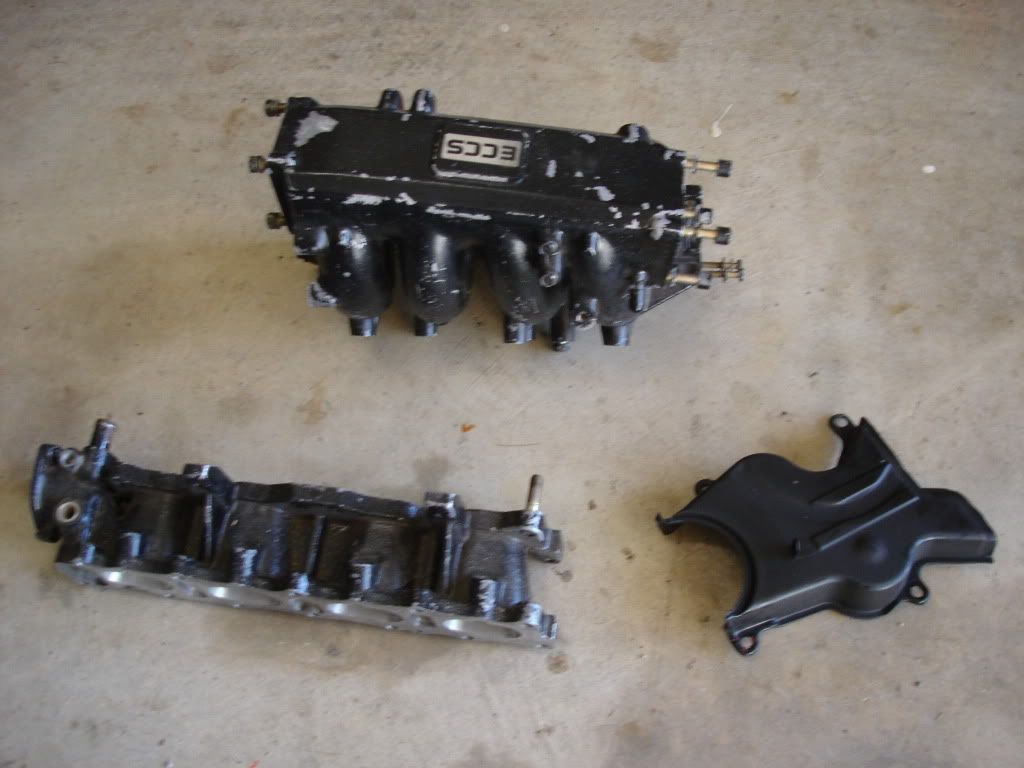
Some other things that will need attention:
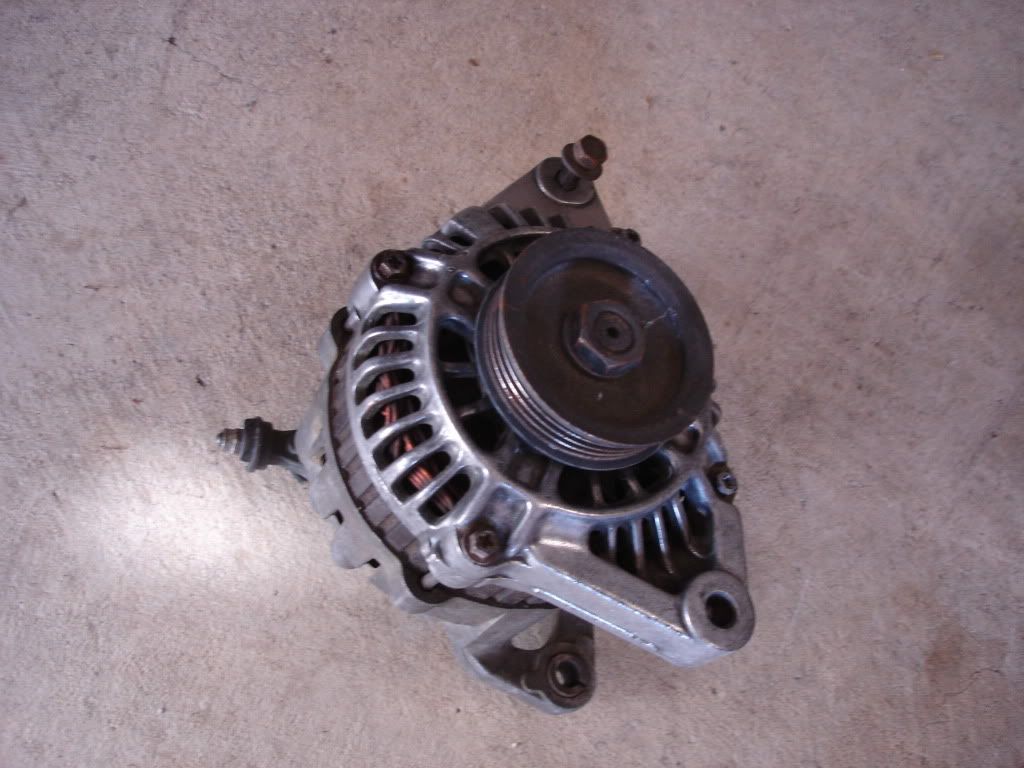
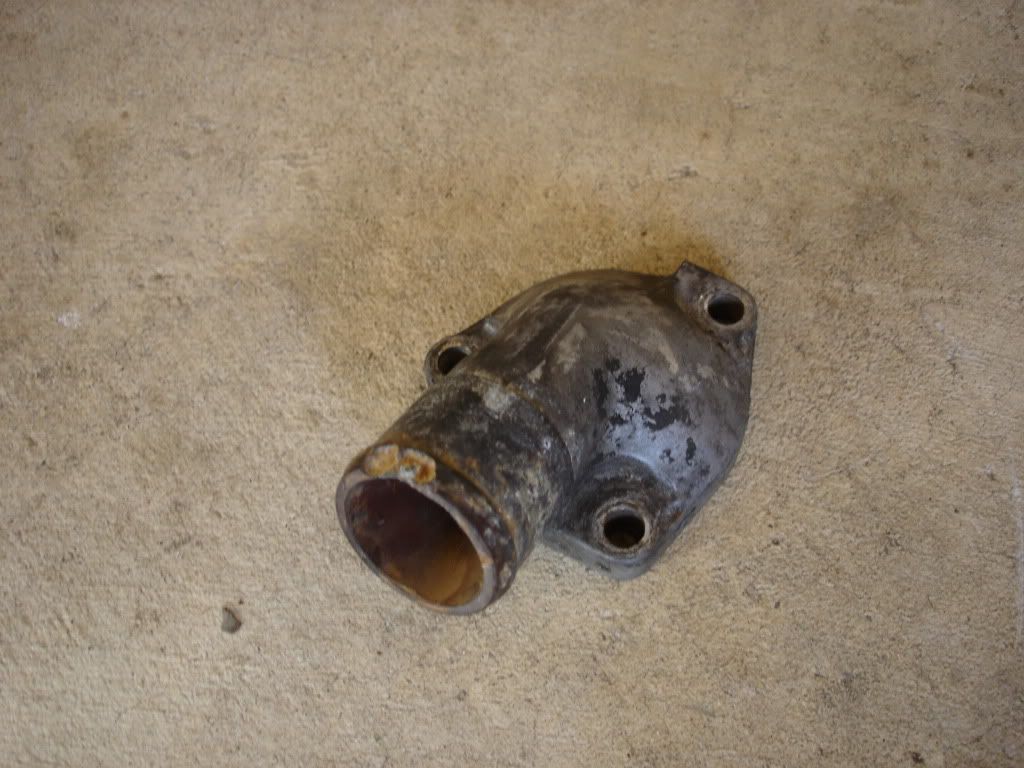
I'm hoping to have these nearly finished by the end of the weekend.





 And holy SHIT this intake manifold is a bitch to clean. It's just spray paint, but it doesn't wrinkle up like a normal finish would. It just creates a paste with the stripper and doesn't want to wipe off, instead it just smears everywhere. Oh, the price of vanity. Got some -8AN bungs ordered and the breather ports pulled out. Not gonna order fittings just yet, I just want to get the bungs welded on before I do any polishing work.
 you too, hahahaha!